Understanding Efficient AC System Installation and Replacement
- oscar alvarez
- May 28
- 4 min read

When the South Florida heat hits, having a reliable air conditioning system is not just a luxury - it’s a necessity. Whether you’re a homeowner or run a business, understanding efficient AC system installation and replacement can save you money, improve comfort, and extend the life of your cooling system. I want to share what I’ve learned about this process so you can make smart decisions for your space.
Why Efficient AC System Installation Matters
Installing an air conditioner is more than just putting a unit in place and turning it on. Efficient AC system installation means the system works at its best. It cools your space evenly, uses less energy, and lasts longer. This is especially important in South Florida, where the climate demands a lot from your AC.
Here’s why efficient installation is key:
Energy Savings: A properly installed system uses less electricity. This lowers your bills.
Better Cooling: The right setup cools every corner of your home or business.
Fewer Repairs: When installed correctly, the system faces less wear and tear.
Longer Lifespan: Good installation helps your AC last many years.
For example, if the ductwork is not sealed well or the unit is the wrong size, your AC will struggle. It might run constantly or fail to cool properly. That’s why hiring professionals who understand efficient AC system installation is crucial.
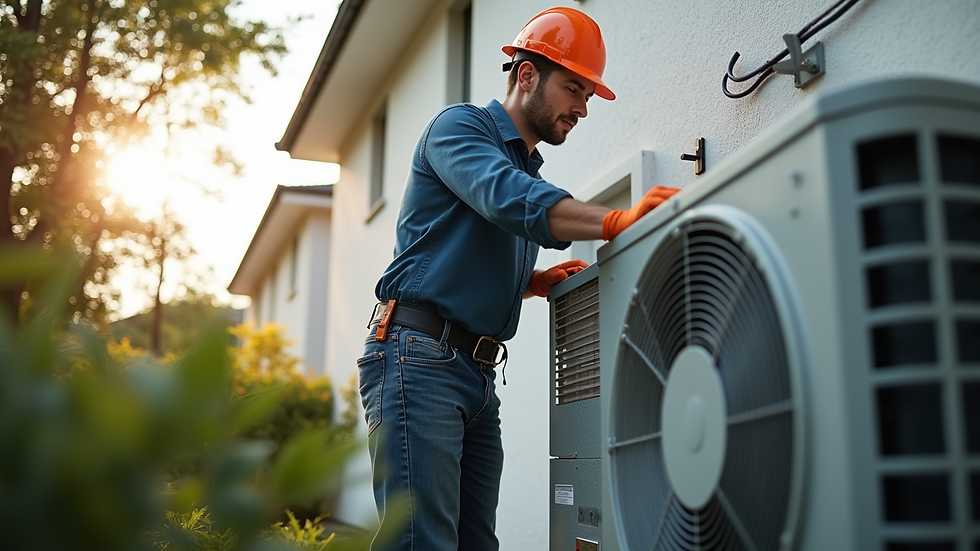
Steps to Ensure Efficient AC System Installation
If you’re planning to install a new AC system, here are the steps to follow for the best results:
Choose the Right Size
An AC that is too small won’t cool well. One that is too big will cycle on and off too often, wasting energy. Professionals use calculations based on your space size, insulation, and sun exposure to pick the right size.
Select Energy-Efficient Models
Look for units with a high SEER rating (Seasonal Energy Efficiency Ratio). Higher SEER means better efficiency.
Proper Placement
The outdoor unit should be in a shaded, well-ventilated spot. Indoor units need good airflow and easy access for maintenance.
Seal and Insulate Ducts
Leaky ducts waste cool air. Sealing and insulating them keeps the system efficient.
Correct Refrigerant Charge
The refrigerant level must be just right. Too much or too little reduces efficiency and can damage the system.
Test and Balance the System
After installation, the system should be tested to ensure it cools evenly and runs smoothly.
Following these steps helps avoid common problems like uneven cooling, high energy bills, and frequent breakdowns.
Can a Mini AC Help with Allergies?
Many people wonder if a mini AC unit can improve indoor air quality and help with allergies. The answer is yes, but with some conditions.
Mini AC units, also called ductless mini-splits, have built-in filters that trap dust, pollen, and other allergens. This can reduce allergy symptoms indoors. However, the effectiveness depends on:
Filter Quality: Higher-grade filters capture smaller particles.
Regular Maintenance: Filters must be cleaned or replaced often.
Humidity Control: Mini ACs can help reduce humidity, which limits mold growth.
If allergies are a concern, consider pairing your mini AC with an air purifier or upgrading to a system with advanced filtration. This combination can make a noticeable difference in air quality.

When to Consider AC Replacement
Sometimes, replacing your AC is better than repairing it. Here are signs it might be time for a new system:
Age: Most AC units last 10-15 years. Older units lose efficiency.
Frequent Repairs: If you’re calling for repairs often, costs add up.
High Energy Bills: A sudden spike in bills can mean your AC is struggling.
Poor Cooling: If your space doesn’t cool evenly or stays warm, replacement might help.
R-22 Refrigerant Phase-Out: Older units use R-22 refrigerant, which is being phased out and is expensive to replace.
Replacing your AC with a modern, energy-efficient system can save money in the long run. Plus, new units often come with better warranties and features.
How to Choose the Right AC Replacement
When replacing your AC, consider these tips:
Get a Professional Assessment
A technician can evaluate your current system and recommend the best replacement.
Look for Energy Star Certified Units
These meet strict energy efficiency guidelines.
Consider Your Space Needs
Think about any changes in your home or business size.
Check for Rebates and Incentives
South Florida often offers rebates for energy-efficient upgrades.
Plan for Proper Installation
Even the best unit won’t perform well if installed poorly.
Remember, the process of ac installation and replacement is an investment in comfort and savings. Taking the time to choose wisely pays off.
Maintaining Your AC for Long-Term Efficiency
After installation or replacement, maintenance keeps your system running smoothly. Here’s what I recommend:
Change Filters Regularly
Every 1-3 months depending on use.
Schedule Annual Tune-Ups
A professional can check refrigerant levels, clean coils, and inspect parts.
Keep Outdoor Unit Clear
Remove debris and trim plants around the unit.
Monitor Performance
Notice any strange noises or reduced cooling and call for service early.
Good maintenance prevents breakdowns and keeps your AC efficient.
Understanding efficient AC system installation and replacement helps you make smart choices. It ensures your space stays cool, your energy bills stay low, and your system lasts longer. Whether you’re installing a new unit or replacing an old one, following these tips will keep you comfortable all year round in South Florida’s heat.

Comments